
Corruption — An Enduring Challenge Amidst Indonesia's Political Dynamics

Corruption remains a serious challenge in Indonesia, hindering development and eroding public trust. This article analyzes the root causes, law enforcement efforts, and the impact of corruption, while highlighting the importance of public participation and political commitment in eradicating it.
Tangsellife.com - The issue of corruption continues to cast a long shadow over Indonesia's political landscape. Despite various eradication efforts being promoted for years, corrupt practices seem timeless, adapting to every change in era and power dynamics.
Corruption is not merely an individual criminal act, but has become a systemic problem that erodes the foundations of the state. Its existence hinders development, damages the social order, and erodes public trust in government institutions.
Roots of the Problem and Manifestations of Corruption
The root causes of corruption in Indonesia are often complex, involving structural and cultural factors. Weaknesses in the oversight system, lack of transparency, and convoluted bureaucracy provide fertile ground for corrupt practices to flourish.
Furthermore, a permissive attitude towards small gratifications, weak individual integrity, and the minimal deterrent effect of law enforcement exacerbate the situation. Corruption can manifest in various forms, from the most overt to the most covert.
| Common Types of Corruption | Brief Description |
|---|---|
| Bribery | Giving or receiving money/facilities to influence decisions |
| Gratification | Giving gifts related to a position, often unreported |
| Abuse of Power | Actions by officials for personal/group gain |
| Extortion | Forcing others to give something under threat |
| Embezzlement in Office | Taking entrusted assets or funds |
Law Enforcement Efforts and Challenges
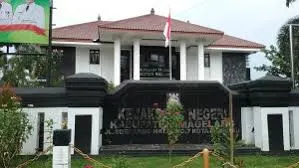
The Indonesian government has established various institutions to combat corruption, such as the Corruption Eradication Commission (KPK), the Attorney General's Office, and the Indonesian National Police. These institutions have achieved many successes in uncovering major cases and bringing perpetrators to justice.
Nevertheless, the journey of eradicating corruption is not always smooth. Major challenges often arise, ranging from political intervention, attempts to weaken anti-corruption institutions, to issues of proof in court. It is not uncommon for light court verdicts against corruptors to cause disappointment and doubt in the eyes of the public.
Existing regulations are sometimes not fully capable of ensnaring all increasingly sophisticated forms of corruption. Revisions and strengthening of laws are needed so that law enforcers have sharper teeth in carrying out their duties. Transparency in legal processes is also crucial to rebuild public trust.

Community and Media Participation
In the fight against corruption, the participation of the community and mass media is vital. The community can act as the eyes and ears of oversight, reporting suspected corruption they encounter. The awareness not to engage in bribery or gratification is also an important first step.
Mass media, through investigative journalism, has the power to uncover hidden corrupt practices. Brave and accurate reporting can put pressure on perpetrators and encourage law enforcers to act more decisively. Collaboration between the community, media, and law enforcement agencies is key to creating a strong anti-corruption ecosystem.
Impact of Corruption on Public Life
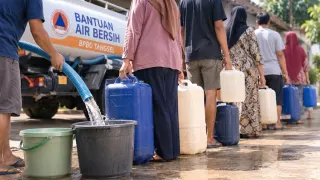
The impact of corruption is not limited to state financial losses reaching trillions of rupiah annually. Furthermore, corruption hinders vital infrastructure development, such as roads, schools, and hospitals, as funds that should have been allocated are instead corrupted.
This leads to a decline in the quality of public services, a worsening investment climate, and increased social inequality. Ultimately, it is the poor who most feel the negative impacts of corrupt practices, as they lose their right to services and facilities they should receive.
Hope and Prospects for Eradication
Although the challenges faced are not light, the hope for an Indonesia free from corruption remains alive. Strong political commitment is needed from every leader, from the central to regional levels, to consistently support anti-corruption efforts without discrimination.
Sustainable bureaucratic reform, increased integrity of civil servants, and early anti-corruption education are believed to foster a cleaner generation. With synergy between the government, law enforcers, community, and media, the dream of an Indonesia free from corruption is not just a mere dream, but an achievable goal.
Key Points
- Corruption remains a serious challenge in Indonesia, hindering development and damaging public trust.
- Root causes include systemic weaknesses, lack of transparency, and suboptimal oversight.
- Law enforcement efforts face obstacles such as politicization and intervention, reducing the deterrent effect.
- The impact of corruption is felt in state losses, hindered public services, and economic inequality.
- Eradicating corruption requires strong political commitment, bureaucratic reform, and active community participation.
Frequently Asked Questions
Why is corruption still difficult to eradicate in Indonesia?
Corruption is difficult to eradicate due to its systemic roots, involving power networks, lack of transparency, and law enforcement that is sometimes suboptimal, as well as political intervention.
What is the main impact of corruption on society?
The main impacts are state financial losses, hindered infrastructure development and public services, and the erosion of public trust in the government and institutions.
What is the role of the community in eradicating corruption?
The community plays an important role through oversight, reporting suspected corruption, and supporting anti-corruption institutions. Public education is also crucial to foster an anti-corruption culture.
What are the authorities responsible for eradicating corruption in Indonesia?
The main authorities are the Corruption Eradication Commission (KPK), the Attorney General's Office, and the Indonesian National Police.
What are the most common forms of corruption in Indonesia?
Common forms include bribery, gratification, abuse of power, extortion, and embezzlement in office.